
Mom, in 2007, sent me a photo of a Civil War soldier with the note: “Who is this person?”
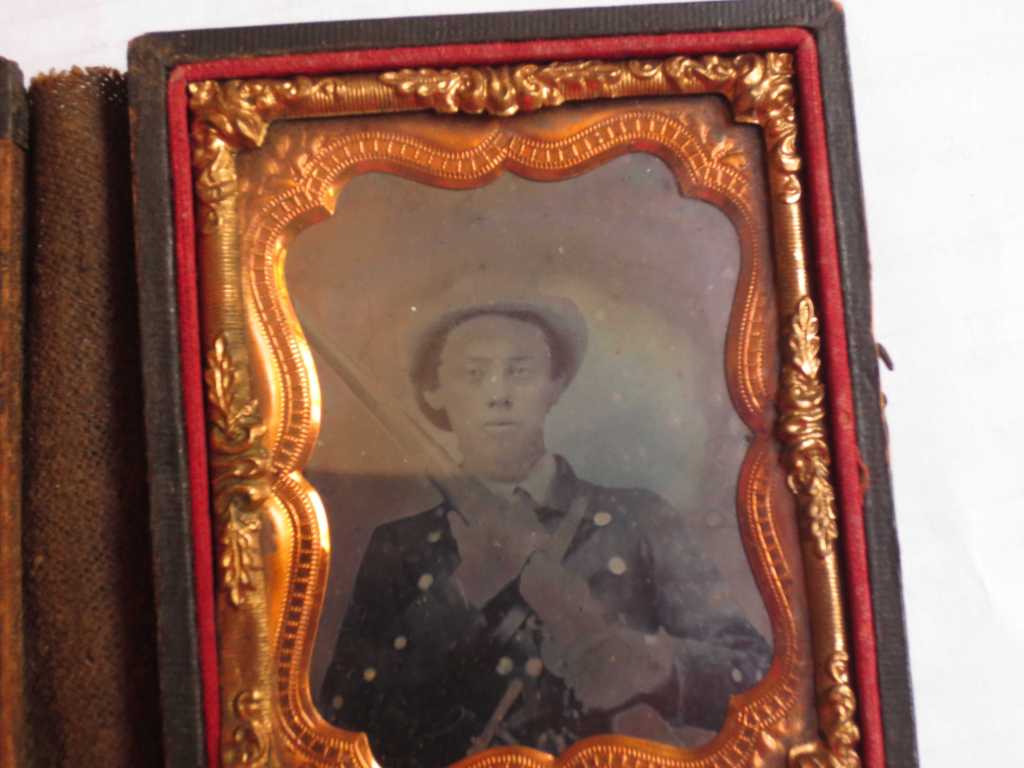
In finding the answer (Marquis Delcassas Frie, her great grandfather) I discovered that her Hill, Howeth, Fry, and Williams families arrived shortly after the Texas Revolution and received land grants in the new Republic. They and their siblings fought in the Mexican-American war, and many Indian battles earning bounty land grants. These families were not part of the “Gone To Texas” rush during the U.S. economic panic of 1819 that left many in debt, writing GTT on their fence posts and heading to what was Mexico for another chance at life. My maternal-line families did come from Mississippi (as Marquis did), Alabama, and Tennessee, but they had money, slaves, occupations, land, and a dozen children. They wanted more land and were part of the rapid expansion of Texas in the 1850s .
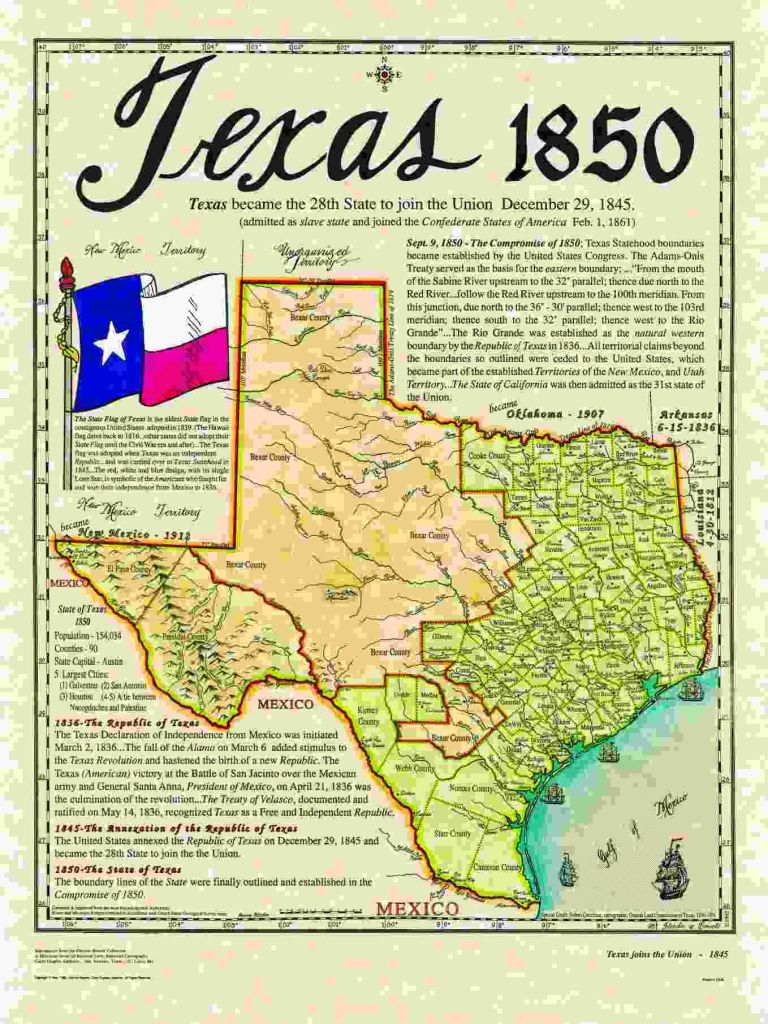
Twenty years after their arrival, when the Civil War looked to be a certainty, these families had property and people to protect. By the end of 1861 25,000 Texans had joined the Confederacy, two-thirds of which were in the Cavalry. (During recruitment one military visitor to the state quipped, “No Texan walks a yard if he can help it!) This number included 35 of my ancestors: Three direct line grandfathers, a few cousins who I share a grandfather with, and the rest are my uncles. Some of these uncles were the elder sons brought to Texas as part of the 25-children family and had land rights of their own. Others were born after the U.S. secured Texas in the war with Mexico. A dozen had fought in that war–including one in the ill-fated and ill-advised Meir Expedition (black bean) who escaped and walked back to Texas. These men were familiar with the geography of Texas, Mexico, and the western frontier territories of New Mexico, Arizona, and California. And, of course, their home states. They would fight again in the Civil War.
My guy’s land grants in counties along the eastern border with Louisiana, NE border with Arkansas, and the last-developed counties along the Texas-Indian Nation (Oklahoma) border placed them in a position to know all things about trade, travel, languages, rivers, and people in adjacent areas. They were naturals as Texas mounted Companies in Cavalry and Infantry to protect Texas from invasion from Union soldiers. Since Federal troops were kicked out once the Civil War began, Texas Confederates also protected the state from invasion from Indians, as well as forming alliance with Indians, Mexicans, and those in the New Mexico Territory–which they tried to capture for the Confederacy. The Hill, Howeth, Fry, and Williams families knew Indigenous peoples; their lands, culture, and most likely their languages. Evidence exists back to the American Revolution of these family ancestor’s marriage, military service, business, and religious activities with original peoples in the America.
In the blogs to come, I will explore the three key elements that Texas Confederates provided in the Civil War’s Trans-Mississippi theatre–west of the Mississippi river. First, engagements where they raised havoc in Louisiana by generally annoying the Union soldiers who didn’t know the bayou country as well as they did. Second, their roles in saving Texas from the ignominy of invasion attempted by General Nathanial Banks 42-day Red River Campaign in March-May of 1864. Finally, as I drive to California in May, I’ll explore the Western Theatre battles in Texas, New Mexico and areas along the California trails.

Stories of these places and my ancestors follow as my days of travel continue.
I’ve included a link to the Handbook of Texas, a well-researched and entirely entertaining resource for the grand and obscure information on Texas. I encourage you to read the Civil War overview. https://www.tshaonline.org/handbook/entries/civil-war
 Solivagant USA
Leave a comment